Your Marketing Should Be a "Flywheel," Not a Funnel (Part 2)
The flywheel model is a proven way to attract new customers and retain existing ones. It also helps eliminate friction and reduce the inefficient handoffs that plague traditional team workflows. In the funnel model, buyers are passed from marketing to sales to customer service — and at each step, information gaps and inconsistent service quality erode their experience. The flywheel changes all of that.
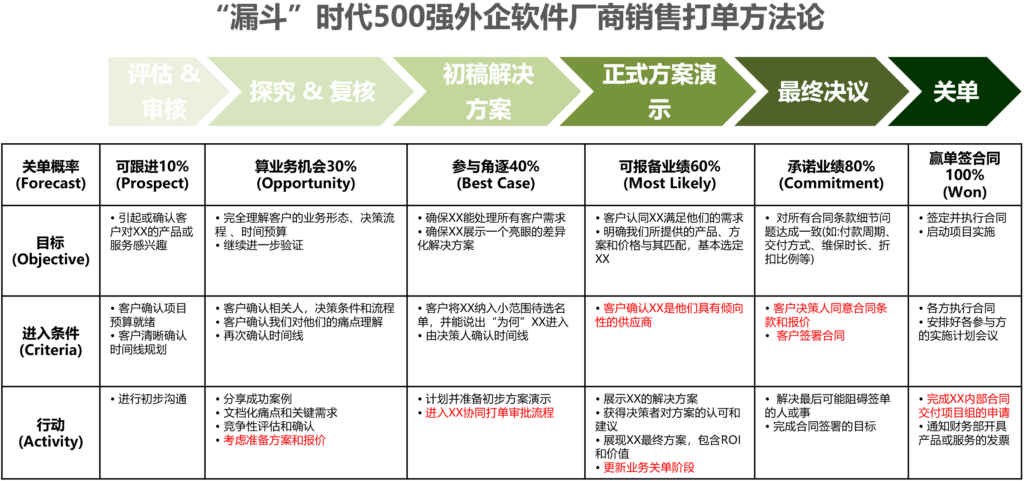
Continuing from Your Marketing Should Be a “Flywheel,” Not a Funnel (Part 1), today Knight not only shares more on the advantages of the flywheel model — we have a special bonus for you: the deal-winning methodology used by the world’s top software vendors and consulting firms. This isn’t just an internal playbook; it’s the framework these organizations present in client-facing decks to demonstrate expertise and build confidence. Many industry-leading customers, after going live with software implementations, have required their own internal sales teams to adopt this exact methodology. If your company has ever worked with these firms, you may find all of this very familiar.
The Flywheel Has a Decisive Advantage Over the Funnel — Because Growth Is a Two-Way Street
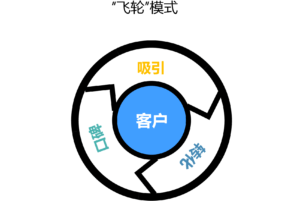
The flywheel model is an effective way to attract new customers and keep existing ones coming back.
It also helps eliminate friction and reduce the inefficient handoffs that create gaps in the funnel model. In the traditional funnel, buyers are passed sequentially from marketing to sales to customer service — and at every step, information asymmetry and inconsistent service quality can create a frustrating purchase experience. The flywheel fundamentally changes this dynamic.
First, marketers are no longer chasing vanity metrics or trapped in the diminishing returns of cold outreach and high-cost events. Instead, they focus their energy on creating high-quality, compelling content that genuinely attracts and engages prospects. — To understand why delivering a great buying experience matters, read ”Why B2B Companies Need Inbound Marketing”
Second, the old model — where salespeople worked exhausting hours pitching products and scraping together marginal trust — gives way to a new approach: sharing your expertise across multiple channels with honesty, transparency, and consistency. At every stage of the buyer’s journey, the goal is to make prospects feel that every decision is their own — because it genuinely is. This process is also how trust between buyer and seller is built over time. Knight believes you should never try to convince your customers — people only believe conclusions they have reached themselves. The smarter and more independent a person is, the more they rely on their own judgment. Your role is to influence, not to persuade. Trying too hard to push a sale will often backfire. — Deepen your understanding of “influence” by exploring Ten Content Marketing Masters on What Content Marketing Really Means.
Third, the era of mechanical, scripted post-sale service is rapidly being replaced by AI-powered customer support. Today, the emphasis has shifted firmly to “customer success.” Customer service professionals must evolve into Customer Success Advisors — and once a deal is signed, everyone inside the organization shares one unified goal: making the customer successful.
When you fully transition to the flywheel model, every member of your team realigns around inbound principles. There is a shared, deeply embedded understanding of what “customer success” means and how to deliver it. The result is a team capable of creating consistently outstanding experiences for every customer. And when customers receive that level of service, you don’t need to ask — they will naturally spread the word to your future prospects on their own.
Why Should You Care?
The flywheel is a more complete and unified model for understanding the forces that drive — or slow — company growth.
Every action taken by every team inside your company ripples outward and influences the final outcome. In B2B especially, each stage is deeply interconnected: conversion is driven by a complex web of touchpoints and contributing factors. How you market shapes how quickly a prospect moves through the sales process. How your sales team behaves directly affects the buyer’s experience and the likelihood of closing a deal. And how you support customers after the sale determines whether they become advocates who recommend you to colleagues — or critics who warn others away on social media.
According to Harvard Business Review, more than 57% of B2B purchasing decisions are already made before a buyer ever contacts a vendor. And buyers don’t make decisions based on company-produced marketing materials — they rely on third-party review sites, peer recommendations, and word of mouth, all of which carry more weight than ever before. Meanwhile, overall trust in businesses is declining sharply: 81% of buyers trust recommendations from friends and family more than advice from a company’s sales or marketing team, and 55% say their trust in the companies they buy from has decreased compared to previous years. As commerce continues its shift online and digital channels multiply, business opportunities emerge across a far broader range of channels and conversations than ever before. The funnel model presents buying as a one-directional journey — the prospect finds or receives marketing materials, is compelled to speak with a salesperson, schedules meetings to extract information piece by piece (while the sales team relentlessly works the pipeline and pushes toward a signature), and is ultimately pressured into closing.
How Today’s Customers Actually Decide
That model no longer reflects how buyers make decisions. Today, they turn to their professional networks for recommendations, search for your company on social media, consult industry associations and even competitors, and seek out independent review platforms — all before engaging directly with your team.
The traditional funnel accounts for none of this. It is linear and one-dimensional. It fails to capture the momentum your business builds through a great product and outstanding customer experience. It also fails to surface the friction points that slow growth when things aren’t working. The flywheel, by contrast, is a mental and behavioral model that brings all of these forces together. Removing friction from your internal processes means your flywheel spins faster — and growth accelerates. Most importantly, when combined with an inbound marketing approach, the flywheel maps every meaningful moment in the customer journey. Customers in the “advocacy” stage generate momentum for prospects in the “attract” stage. How you treat one customer shapes how the next prospect perceives you. Put simply, the flywheel gives you a clearer, more complete view of how to grow your business faster — and where the greatest opportunities lie.