Inbound Marketing vs. Outbound Marketing
When you ask most marketers how their companies generate leads and fill the top of the sales funnel, the answer typically involves trade shows, brand advertising, cold visits, cold calls, and other outbound tactics. Yet since 2019, a growing number of innovative and market-leading companies have been embracing inbound marketing. So what exactly is the difference between inbound and outbound marketing?
When you ask most marketers how their companies generate leads and fill the top of the sales funnel, the answer typically involves trade shows, brand advertising, cold visits, cold calls, and other outbound tactics. Yet since 2019, a growing number of innovative and market-leading companies have been embracing the art of inbound marketing. So what exactly is the difference between the two? This article walks you through the key distinctions.
Let’s start with the more traditional approach. Knight kicks off the conversation with outbound marketing.
What Is Outbound Marketing?
Outbound marketing is the traditional model — it encompasses trade shows, seminar series, mass email blasts to contact lists, field sales visits, cold calling, outsourced telemarketing, and paid advertising. We call these tactics “outbound” because marketers spray their message broadly in every direction, hoping that a fraction of the audience will respond and convert. At Knight, we firmly believe that outbound marketing’s effectiveness will continue to erode over time.
Two reasons stand out. First, the average person today is bombarded with more than 200 outbound marketing interruptions every day — and people are getting increasingly creative at blocking them: spam filters, ad blockers, caller ID screening, and blacklisting. Second, more than 60% of people now turn to the internet — search engines, blogs, and social media — to learn about new topics or evaluate purchases. Research consistently shows that over 60% of buyers have already made their purchase decision before they ever speak to a salesperson. This self-directed buying behavior also costs the buyer far less than attending a seminar at a five-star hotel or walking the floor at an industry expo.
Shifting Your Marketing from Outbound to Inbound
Knight advocates for inbound marketing over pushing irrelevant messages at prospects who have no need for your product or service. Inbound marketing helps you reach prospects who are already educating themselves about your industry. To make it work, you need to turn your website into a content hub — one that attracts visitors organically through search engines, blogs, and social media. Think about how e-commerce platforms like Tmall and JD.com operate: customers move from discovery to purchase to after-sales service entirely on their own terms, guided by their own research and judgment. Companies simply need to ensure their product or service is genuinely excellent and clearly presented. That discovery process is precisely where trust is built between a business and its customers.
More and more industries will evolve toward this kind of buyer-driven model. Yet today, most marketers still spend 90% of their effort on brand visibility and only 10% on building trust through authentic value — when that ratio should be reversed. (If that statement doesn’t immediately make sense, see “What Is Content Marketing?”.) Chinese consumers and business buyers have grown wary of marketing that overpromises and underdelivers. The strategic imperative, therefore, is to create a buying experience that continuously earns trust rather than just demands attention. As Knight always says: the person your customer trusts most is themselves.
Inbound Marketing vs. Outbound Marketing
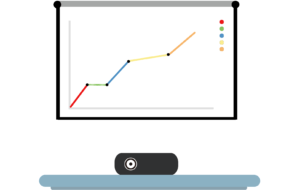
Think of outbound marketing as the street-corner flyer distributor — thrusting leaflets at passersby regardless of whether they have any interest in the product. It’s the same logic as door-to-door sales or cold calling: the rep doesn’t care whether the prospect actually wants what’s being sold. Inbound marketing, by contrast, is a deliberate strategy. You create content tailored to different channels, build brand awareness, and pull the right prospects — those who match your ideal customer profile — toward your website, where they can learn more and eventually convert.

Inbound marketing demands significant time and effort, and it rarely produces overnight results. But the leads it generates are better qualified — prospects who already understand your industry and are actively seeking solutions like yours are far easier to move down the funnel. Need a spark of inspiration? Check out Ten Content Marketing Masters Explain Content Marketing.
Finally, there is one point we hope every marketer can agree on: the cost of traffic acquisition on platforms like Tmall, JD.com, WeChat, and Baidu SEM keeps rising while corporate profit growth stagnates. We have moved from an era of expansion to an era of consolidation — from hunting to farming. As demographic dividends continue to shrink, disciplined, technology-enabled inbound marketing will become the defining competitive advantage. Is your company ready? Learn How to Plan a Successful Content Marketing Strategy.