
Not Sexy, Not Provocative: How to Write Copy for B2B
Great copy is never just a few catchy lines. It conveys product value, sparks the desire to act, and — in B2B — serves as a cornerstone of brand credibility.
Whether you’re writing for consumers or businesses, the fundamentals of copywriting remain the same. What differs is the company’s situation, the product’s characteristics, and the nature of the audience. Ultimately, the best copy is the copy that fits.
Good copy can be playful and charming or authoritative and precise — the right register depends entirely on the context. In consumer marketing, emotionally charged writing that taps into everyday desires can rack up hundreds of thousands of views with ease. B2B content, by contrast, reads more like a well-researched white paper from a seasoned professor: authoritative, disciplined, and measured. Hitting 10,000 views on a B2B company channel already qualifies as a strong performance, because B2B content addresses a specialized audience with specific industry needs. B2B buyers care less about emotional resonance and more about expertise, relevance, and demonstrable value.
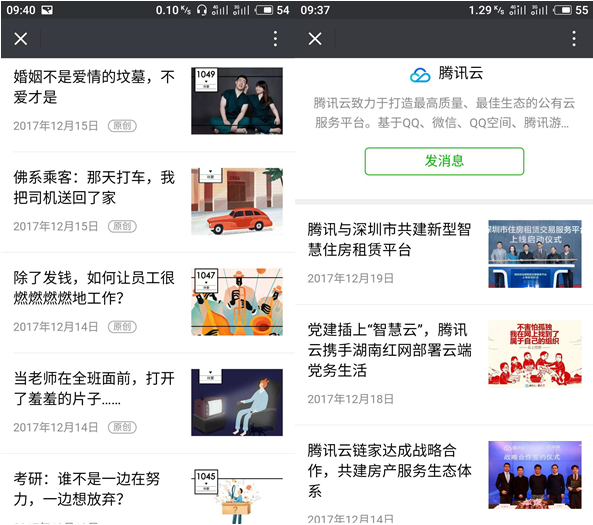
Left: emotionally charged consumer content; Right: data-driven cloud computing content from Tencent Cloud
B2B content teams are typically called on to produce copy across a range of formats: website pages, product brochures, solution briefs, client proposals, marketing materials, press releases, and social media content. In every case, the goal is the same — to help prospects clearly understand what problems your product or service solves and how it creates value for their business.
That means before you write a single word, you need a clear grasp of your company’s current position and strategic direction.
1. Use the 5W2H Framework to Understand Your Business
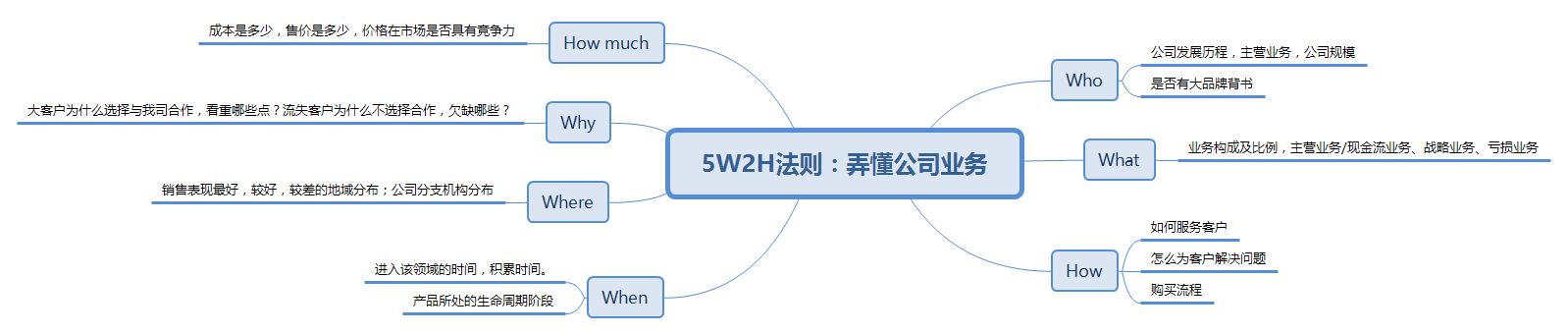
Writing copy that authentically reflects what a company stands for starts with knowing the company inside out: where it is in its growth journey, what its strategic priorities are, where it sits in the market, what it sells, who its customers are, where they’re located, and what competitive advantages or disadvantages it has — including on price.
Understanding the business is the baseline. Understanding the technology adds depth. Understanding the customer is the core. All three together form the foundation of copy that genuinely resonates with buyers.
2. Apply Proven Frameworks to Lift Conversion
2.1 The FAB Framework: Lead with Customer Value
The FAB (Feature–Advantage–Benefit) framework is widely used in sales and is equally powerful as a copywriting tool. It structures product communication around what actually matters to the buyer, making it both persuasive and memorable.
- F — Feature: what the product is
- A — Advantage: what the product does
- B — Benefit: what the customer gains
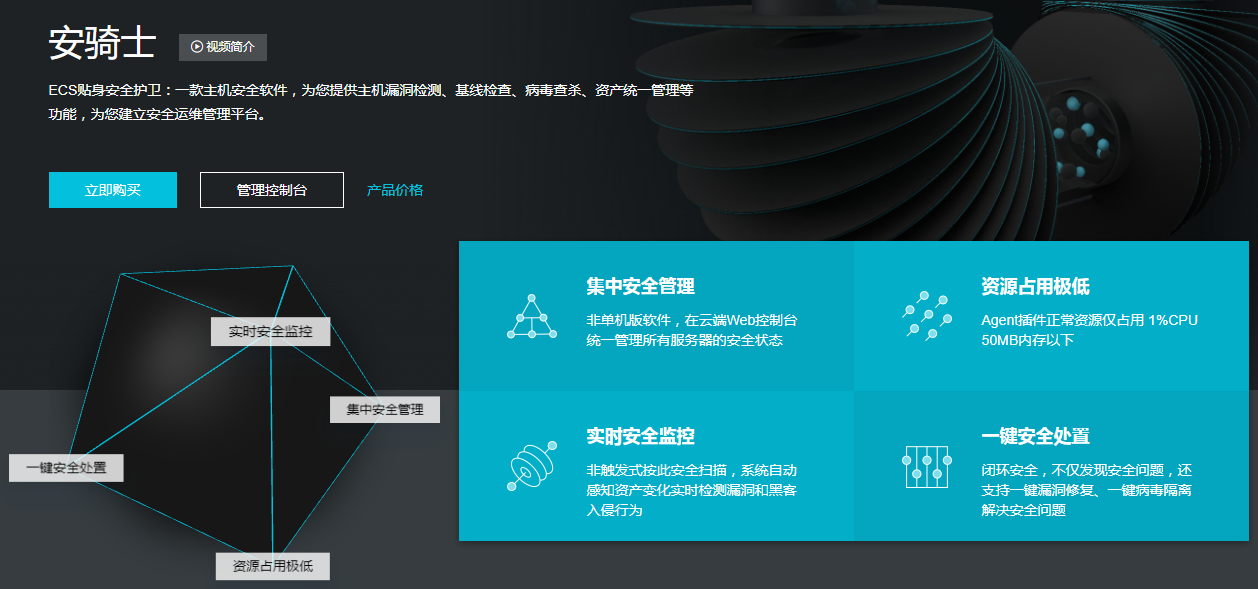
(1) Feature
Start by establishing what the product is. For example: AnQiShi is an endpoint security software that helps enterprises build a unified security operations platform, offering four core capabilities: centralized management, security monitoring, incident response, and reduced resource consumption.
(2) Advantage
Once the feature is established, articulate the competitive edge. Comparative analysis is a powerful tool here — positioning against alternatives along the dimensions of availability, quality, and price. Let data do the talking. When buyers evaluate options under constrained conditions, clear, side-by-side comparisons make the decision easier.

(3) Benefit
Ground the advantages in real-world scenarios and tie them directly to customer outcomes. For instance, on the point of unified security management: regardless of operating system, cloud platform, environment, or geographic location, operations teams can manage everything from a single interface — no more context-switching between platforms, and measurably lower management costs and security risk.
2.2 The 4U Framework: Drive Marketing Campaign Performance
The 4U framework comes from Robert Bly’s classic The Copywriter’s Handbook and has informed countless high-performing headlines and campaign materials. The four principles are:
(1) Urgent
A sense of urgency — time running out, limited availability — gives prospects a concrete reason to act now. The combination of a ticking-clock visual and scarcity-driven copy is one of the most reliable triggers in direct-response marketing.
For example, Tencent Cloud’s flash-sale campaign for cloud servers: “Only 60 minutes left — don’t miss your chance.”

(2) Unique
Unique means something the market hasn’t seen before — or a familiar offering presented in a genuinely new way.
For example, when Alibaba Cloud cut prices on its Media Transcoding Service (MTS) for the first time ever: “First price drop in history — save 30%.” The novelty of the event itself became the selling point.

(3) Ultra-specific
Buyers respond to concrete numbers far better than to vague promises. Specific figures create a tangible sense of gain that general claims cannot.
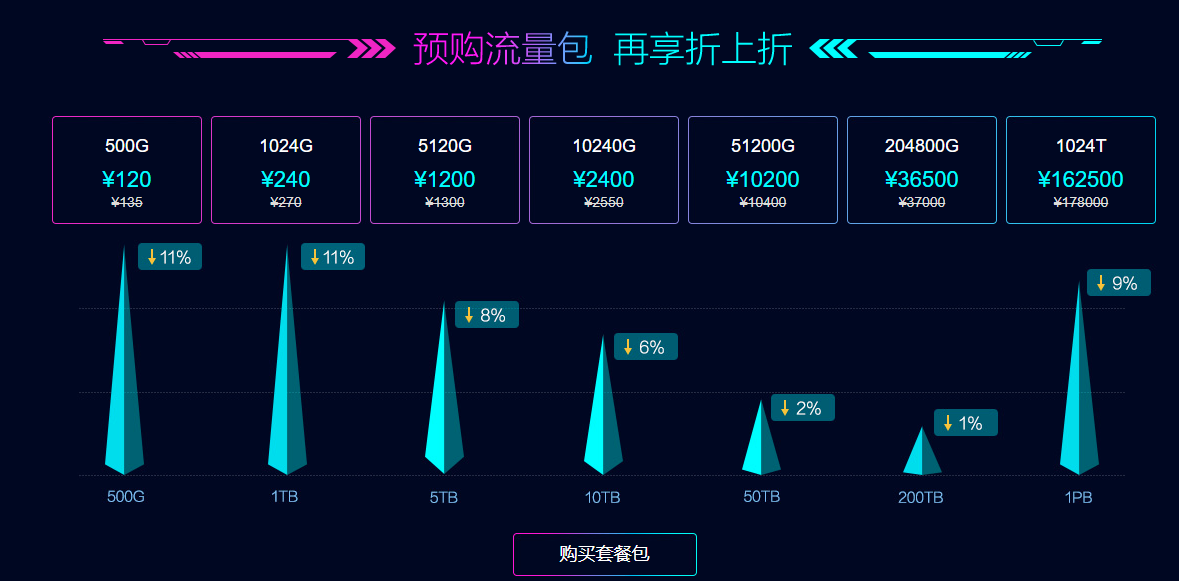
For example, when Alibaba Cloud reduced CDN pricing, the campaign didn’t just say “prices are lower” — it showed exactly how much lower: traffic unit price reduced, as low as ¥0.15/GB. For pre-purchased traffic packages, additional discounts were applied on top — with percentage reductions, original prices, and discounted prices all clearly displayed.

(4) Useful
Promising a clear, tangible benefit is one of the most consistently effective approaches in B2B copywriting.
For example, Alibaba Cloud’s Game Shield — a DDoS protection product targeting online gaming companies — offered a straightforward value exchange: fill out a brief form about your business and attack history, and receive ¥3,000 in high-protection IP credits plus 300 GB of free protection, among five other concrete and measurable benefits.
2.3 Leverage Brand Association to Build Trust
In B2B, credibility is currency. Brand association works in two directions: either you are a recognized industry leader (like Alibaba, Tencent, or Baidu), or you serve recognized industry leaders. For enterprise buyers, one of the most powerful proof points when evaluating a vendor is whether that vendor has delivered for well-known organizations and proven itself in demanding environments.
Alibaba Cloud’s positioning as the “official cloud service provider for the Olympics” is a textbook example — Alibaba was already a titan, but the Olympic designation elevated product credibility even further.

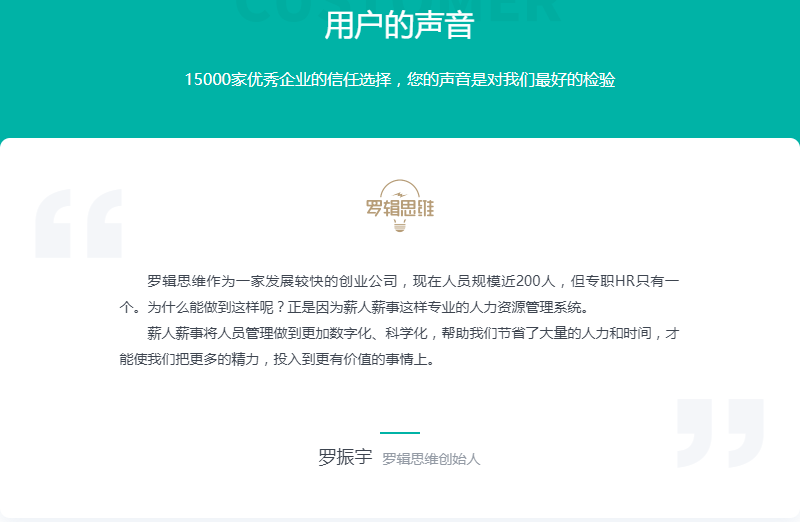
At the bottom of company websites and product brochures, it’s common practice for B2B companies to feature testimonials from marquee clients. This serves two purposes: it borrows the client’s credibility to validate the product, and it turns high-profile customers into informal brand advocates. For example, one SaaS HR software company featured a testimonial from Luoji Siwei — and more importantly, from its founder Luo Zhenyu, whose personal brand carries significant weight — as an endorsement on their website.
2.4 Communicate a Purpose Larger Than the Product
The best companies — and the most compelling copy — look beyond commercial returns and connect product capabilities to broader social value. When Alibaba Cloud introduced its ET City Brain initiative, it framed the technology not in terms of features and specs, but in terms of the problems every urban resident faces: traffic congestion. By demonstrating how AI-powered traffic management could measurably improve average road speeds, the campaign made an abstract cloud product feel personally relevant to millions of people.
Positioning a product within a larger mission dramatically increases both affinity for the brand and trust in the product.

Great copy is never just a few catchy lines. It conveys product information and value, motivates buyers to take action, and serves as a cornerstone element of brand building. Whether you’re writing for consumers or businesses, the principles of copywriting are fundamentally the same — what changes is the company context, the product’s characteristics, and the nature of the audience. The best copy is always the copy that fits.
*Source: originally published on woshipm.com, authored by Liu Xu Feiwu.