
How Brands Can Turn Existing Customers Into Growth Engines
Rather than blindly chasing new eyeballs and sifting valuable customers out of inflated data, brands should focus on two fundamentals: retaining existing customers and turning them into advocates who bring in new ones.
A widely discussed influencer fraud scandal on Weibo recently sent shockwaves through the brand and marketing community, reigniting serious conversations about traffic, conversion, and what effective marketing actually looks like.
The incident began when an electronics brand commissioned a Weibo influencer for a promotional campaign. The post racked up 200,000 views and thousands of reposts within two hours, along with a flood of “just ordered!” comments — yet actual traffic to the brand’s site was zero, and not a single unit sold. The brand published an exposé titled “A Zombie Stage Play Directed by a New Media Giant: The True Story Behind a Video That Went Viral Overnight — And Left Us With Zero Traffic”, which spread rapidly across the internet.
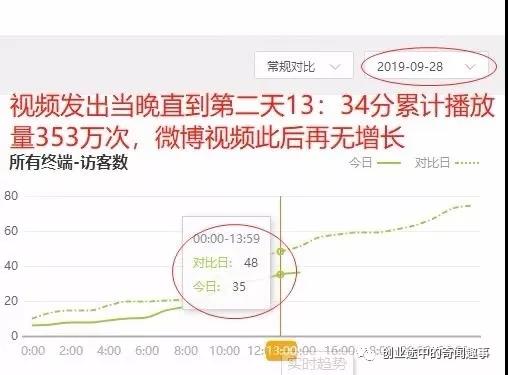
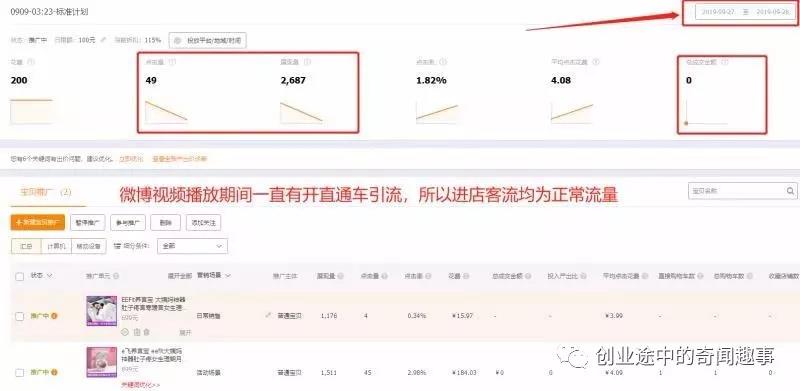
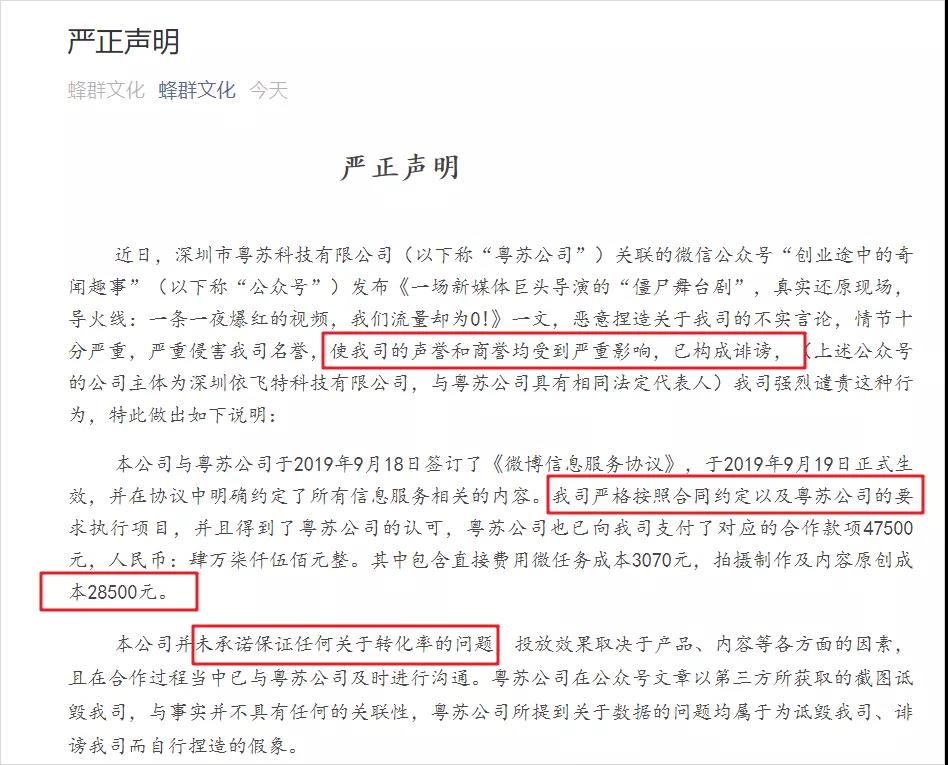
The MCN agency involved promptly issued a statement claiming the partnership had never promised any specific repost numbers, while its employees took to WeChat Moments to voice their lack of concern. Weibo’s official team subsequently stepped in, suspending the influencer account “张雨晗YuHan” from accepting paid promotional work.
In reality, fabricated metrics and fake influencers are hardly new phenomena. The lack of transparency and verifiability in acquisition campaign data has long been a persistent, near-unsolvable headache for marketers. Setting aside this particular scandal, the fundamental point remains: no marketing initiative should aim for a one-time attention spike. The goal is always sustainable, long-term value. Put simply, acquiring new customers only matters if you can convert them into loyal ones.
So for brands that already have a meaningful existing customer base, is the answer to just keep pouring budget into acquisition and traffic? Clearly not.
Every market eventually hits a growth ceiling. Rather than blindly chasing new eyeballs and trying to extract real value from inflated data, brands would be better served by focusing on two fundamentals: retaining existing customers, and letting those customers bring in new ones. But executing on this comes with three persistent challenges: retention is hard, data management is hard, and organic acquisition is hard.
Scenario 1
A customer buys Brand A’s tissue products. After running out, they are drawn in by Brand B’s promotion at the supermarket and stock up for a month. When that runs out, they group-buy Brand C’s tissues with friends through a shopping app…
The root cause of retention difficulty is that customers feel no sense of belonging to any particular brand — they simply go wherever the next deal is. What brands urgently need is to proactively stay present throughout the customer’s entire consumption journey by deploying marketing automation that keeps them engaged at every stage.

Scenario 2
Brand D acquires several thousand new members each month across more than 50 major cities nationwide. But their member data is a mess — authenticity cannot be guaranteed, duplicates are rampant, and there is no effective system to manage or segment it, let alone run targeted campaigns. Member data must first be validated for accuracy, then enriched with multi-dimensional tags and intelligently segmented into meaningful customer groups. These two steps determine whether subsequent marketing spend is well-invested or largely wasted.

Scenario 3
Brand E discovers that the same promotional tactics, discount levels, and distribution channels that once generated three times as many new customers are now producing steadily declining returns — while existing customers quietly drift away.
Rather than doubling down on front-end acquisition, the smarter move is to stabilize the existing customer base first, then use that base to fuel incremental growth. This approach consistently delivers better ROI than relentless new-customer spending, at a fraction of the cost.

These three scenarios are not isolated — they are deeply interconnected, and addressing them systematically can break the cycle. The key levers are: proactive outreach, data management, automated workflows, and elevated customer experience.
1. Proactive Outreach
Omni-Channel Presence: Online and offline, fully integrated
Multi-Channel Integration: Physical stores, traditional offline channels, POS systems, Weibo, WeChat, Douyin, JD.com, Tmall — every platform where customers can be reached
Multi-Format Outreach: SMS, email, WeChat Official Account, and other active communication channels
2. Data Management
Source Attribution: Precise channel tracking via single-item QR codes, unique channel codes, and similar mechanisms
Data Cleansing: Automatic removal of invalid and duplicate records, consolidation of clean customer and transaction data into a unified system
Customer Profiling: Multi-dimensional analysis, customer segmentation, intelligent tagging, and 360° customer profiles that power precise, repeatable automated campaigns
3. Automated Workflows
Real-Time Responses: Every customer interaction triggers an immediate, personalized response
Behavioral Tracking: Every customer action is automatically captured and recorded in the database
Triggered Marketing: Every interaction automatically initiates the appropriate marketing flow, delivering relevant content to the right customer at the right moment
4. Customer Experience
Loyalty Programs: Build a complete loyalty progression — from non-paying visitors to first-time buyers, repeat purchasers, and brand advocates. Leverage membership management, points-based reward systems, and tier-specific campaigns to drive conversion and deepen loyalty.
Human Touch: Foster genuine brand connection through holiday marketing, birthday messages, one-on-one intelligent chat interactions, and always-on in-store associate follow-up — making customers feel valued at every touchpoint.